Call Now!
(504) 499-0624
Residential License # 890459
Commercial License # 3667
Residential License # 890459
Commercial License # 3667
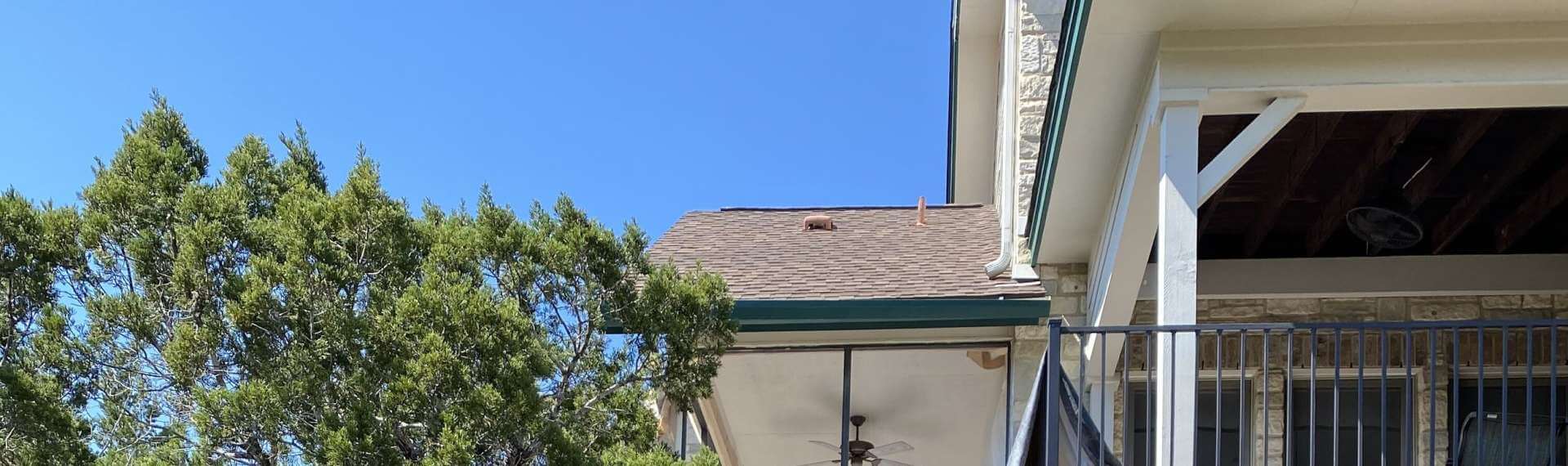
Choosing the right paint is crucial for both interior and exterior spaces, impacting not only aesthetics but also durability. The difference between interior and exterior paint lies in their formulation, designed to tackle specific challenges posed by varying environments. While interior paints prioritize health safety and surface finish, exterior paints are engineered to withstand weather elements and fading. Acknowledging this distinction ensures that spaces not only look appealing but remain protected over time. This guide delves into these differences, helping you make informed decisions for your painting projects.
Interior paint comes in two main types: water-based (latex) and oil-based (alkyd). Water-based paints are popular due to their easy clean-up and short drying times. Oil-based paints, however, offer a durable finish that’s often preferred for trim and moldings.
Interior paints also focus on low VOC formulations. Volatile Organic Compounds (VOCs) can affect indoor air quality, making low VOC options healthier for indoor environments.
Furthermore, interior paints emphasize washability and maintenance ease. This means they’re designed to be cleaned easily without damaging the paint surface.
Exterior paint must withstand harsh conditions. It is formulated with durability in mind to resist weather elements like sunlight, rain, snow, and temperature fluctuations. These paints contain additives that protect against fading, mildew, and peeling over time.
Another critical feature of exterior paint is its flexibility. This allows it to expand or contract with various surfaces under different weather conditions without cracking or flaking off. Flexibility ensures the longevity of the paint job even when faced with extreme environmental changes.
Interior paint offers a wide range of finishes. These include flat, eggshell, satin, semi-gloss, and gloss. Each finish has its unique look and feel. Flat and eggshell are more subtle. Satin, semi-gloss, and gloss offer more shine.
The visual appeal of interior paint is crucial. It must match the room’s decor while being pleasing to the eye. Color retention over time is also important for maintaining appearance.
Exterior paint usually comes in matte or satin finishes. These options provide better durability against weather conditions. Matte finishes help hide surface imperfections on exterior walls.
Exterior paints are designed with UV resistance to prevent fading from sunlight exposure. This ensures that colors remain vibrant for longer periods.
When choosing exterior paint, consider the architectural style and surroundings of your home.
Interior paint serves specific purposes. It is ideal for walls, ceilings, trims, and other surfaces inside a house. These areas often need frequent touch-ups due to daily wear and tear.
In high-traffic zones like kitchens and hallways, the ability to resist stains is crucial. This makes cleanup easier without damaging the finish. Moreover, interior paints are formulated for easy application and quick drying times. This feature simplifies the process of repainting or performing minor touch-ups as needed.
Exterior paint has its unique requirements. It’s applied on outdoor surfaces such as siding, trim, doors, and shutters. The primary focus here is durability against weather conditions.
Exterior paints must withstand harsh sunlight, rain, snow, and temperature changes. They contain additives that prevent mildew and mold growth, which can damage exterior surfaces over time. Before applying exterior paint, proper surface preparation is vital to ensure long-lasting results. This includes cleaning the surface thoroughly, repairing any damages, and priming if necessary.
Both interior and exterior paints play distinct roles in protecting and beautifying homes but require different approaches in their application and maintenance. Understanding these differences ensures that homeowners choose the right type of paint for each project, leading to better aesthetic outcomes and longer-lasting protection.
Interior paint usually costs less per gallon. This is because it focuses on aesthetics and color variety. People often choose interior paint based on how it looks inside their homes.
The cost difference becomes clear when comparing the price tags. For example, a gallon of high-quality interior paint might range from $30 to $60. This makes it relatively affordable for most homeowners planning indoor renovations or updates.
Exterior paint, however, comes with a higher price tag. Its formulation is more robust to withstand weather conditions. The ingredients used in exterior paints are designed to resist fading, chipping, and mildew growth.
Despite its higher initial cost, exterior paint offers long-term savings. It requires less frequent repainting due to its durability against harsh outdoor elements. A homeowner might spend more upfront but save money over time as the need for touch-ups or complete repaints decreases.
The distinction between interior and exterior paint lies in their composition, finish, appearance, application, and cost. Interior paints prioritize low odor and ease of cleaning, while exterior paints are formulated to withstand environmental elements. The choice between the two affects the durability and aesthetic outcome of a project. Understanding these differences ensures that the right type of paint is selected for specific projects, optimizing both performance and appearance.
To make informed decisions about paint selection, consider the unique requirements of your space. Choosing the right type of paint is important for achieving the desired results, whether you’re doing a DIY project or planning professional renovations. Explore further resources or consult with professionals at TurnKey Painting Company to enhance your understanding and ensure that your painting project meets both your expectations and needs.
Ready to transform your space with a fresh coat of paint? Contact TurnKey Painting Company today and let us bring your vision to life with our professional painting services. Don’t wait, reach out now!


 Turnkey Painting Company